Description
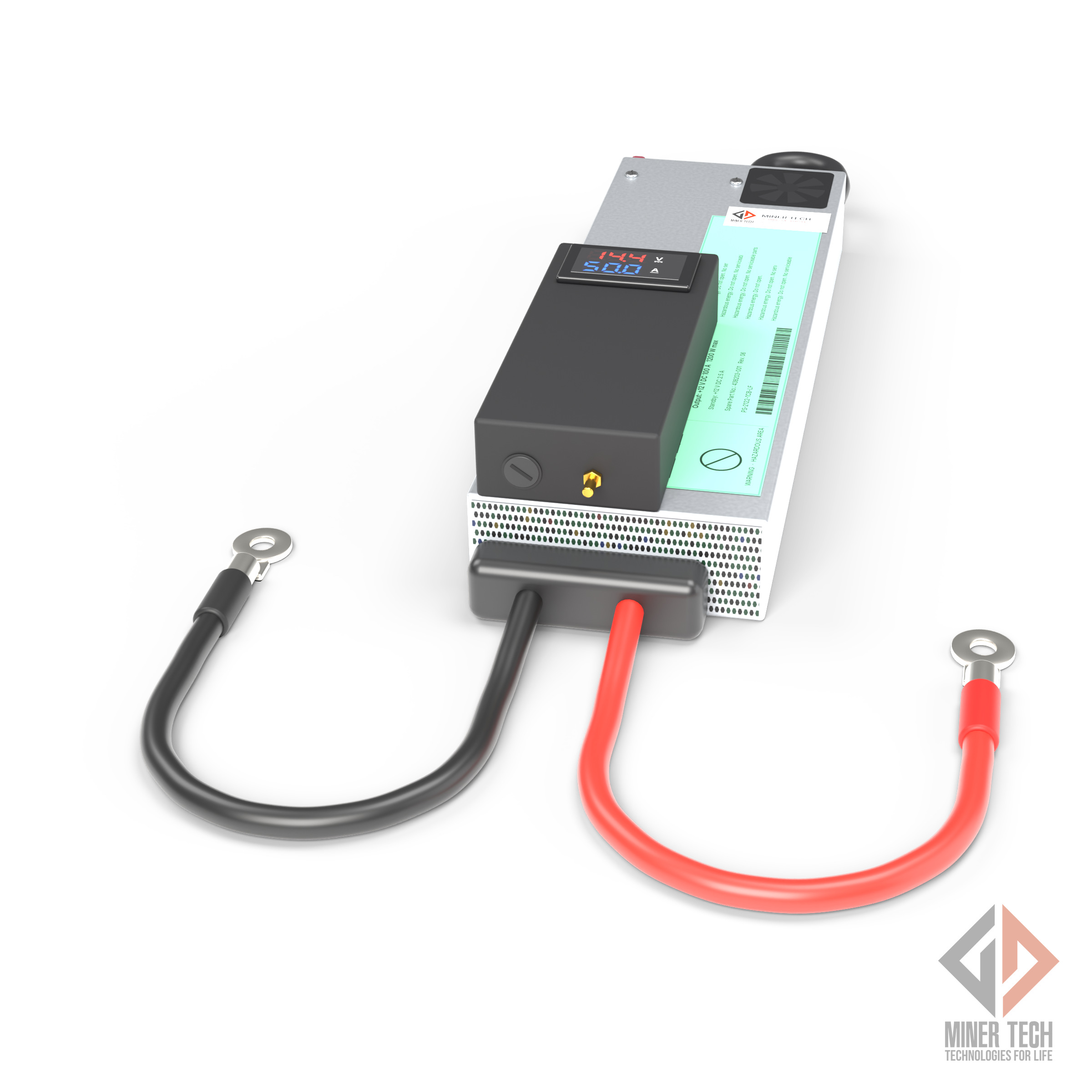
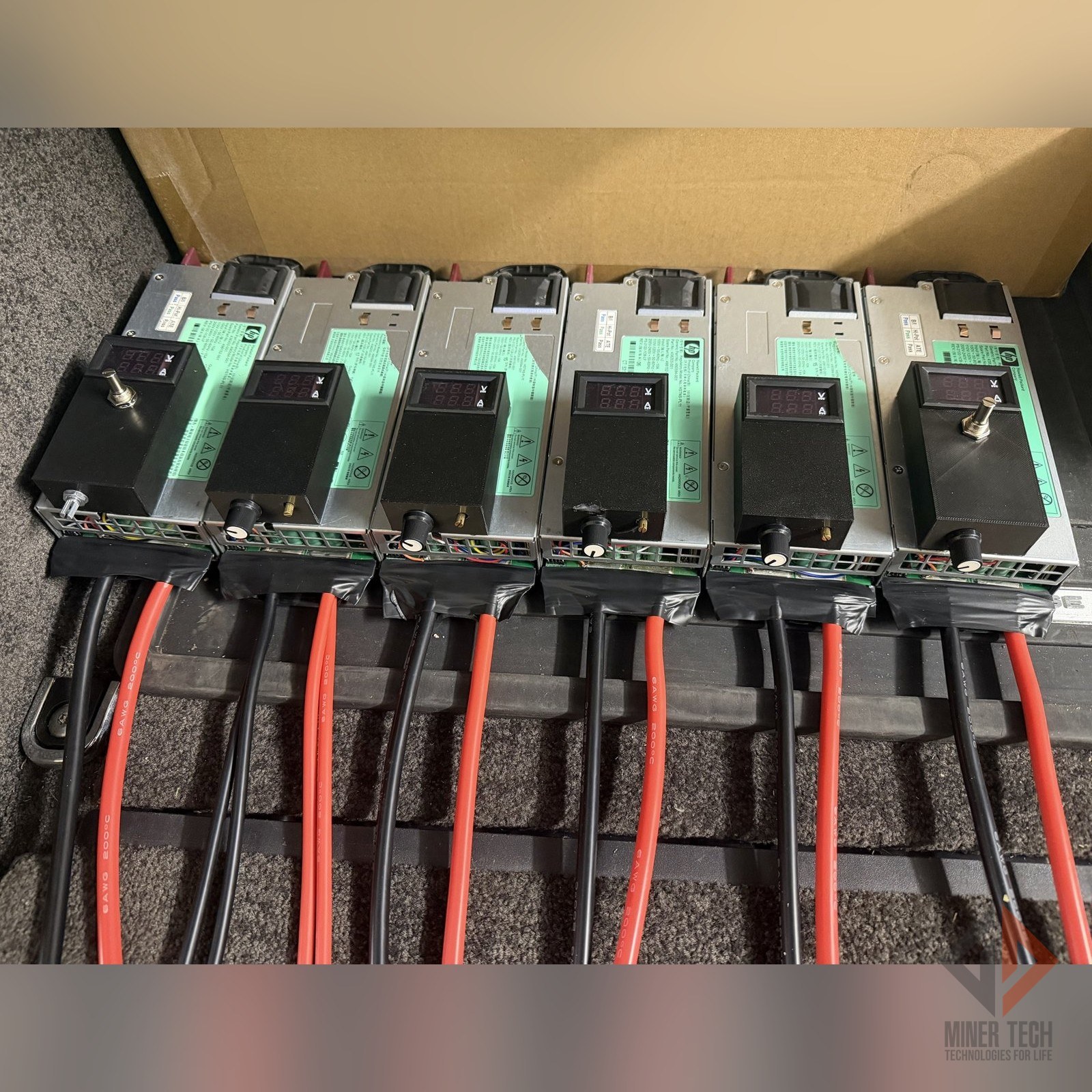
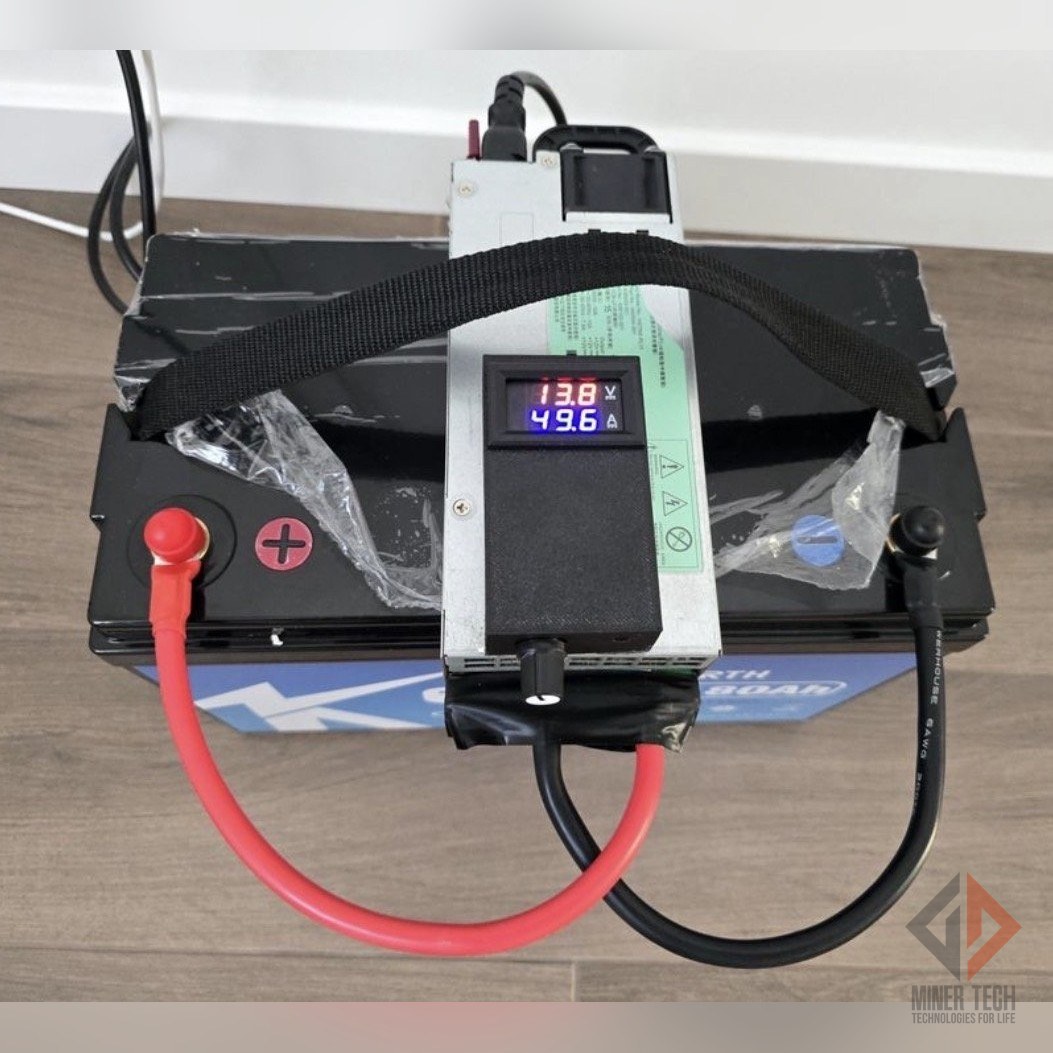
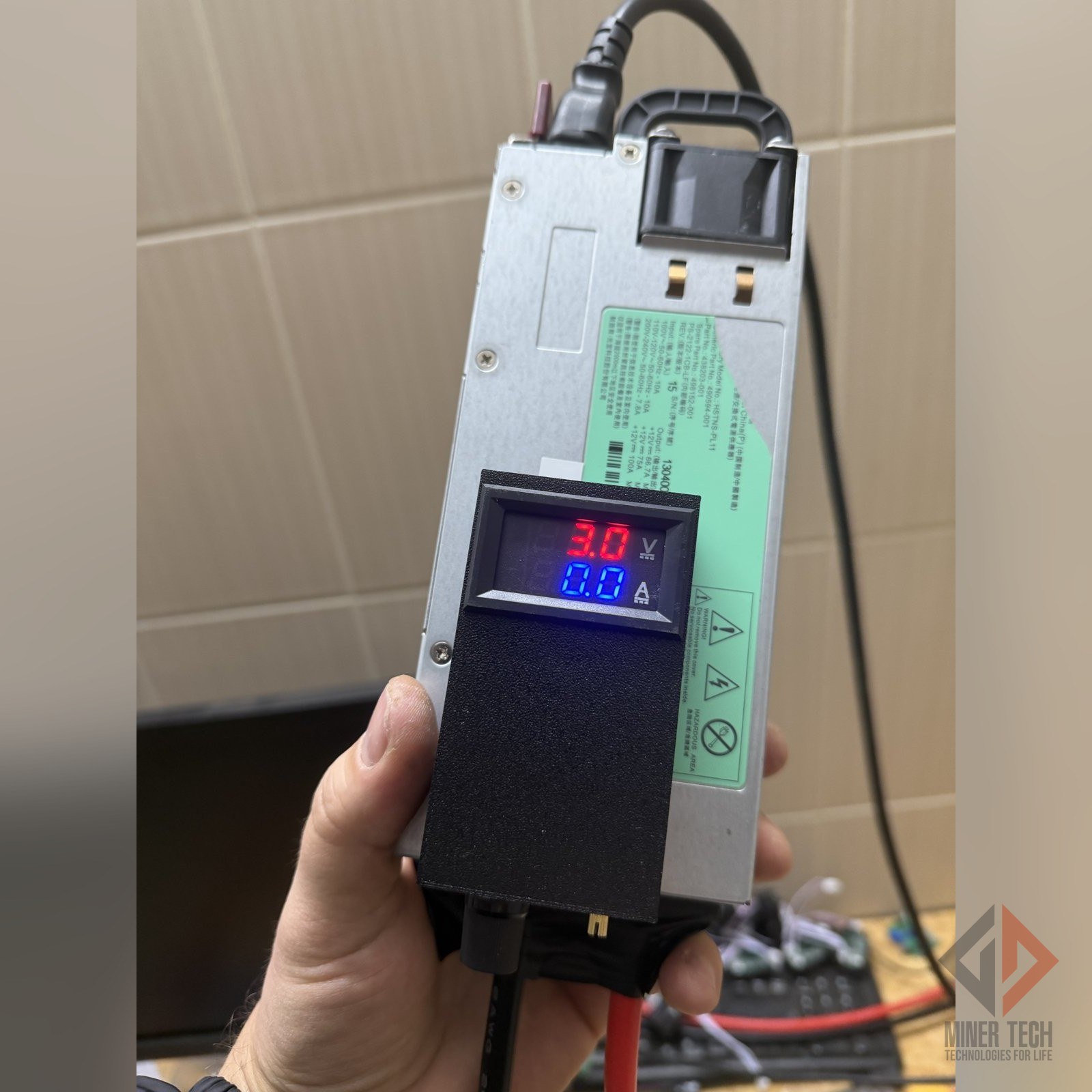
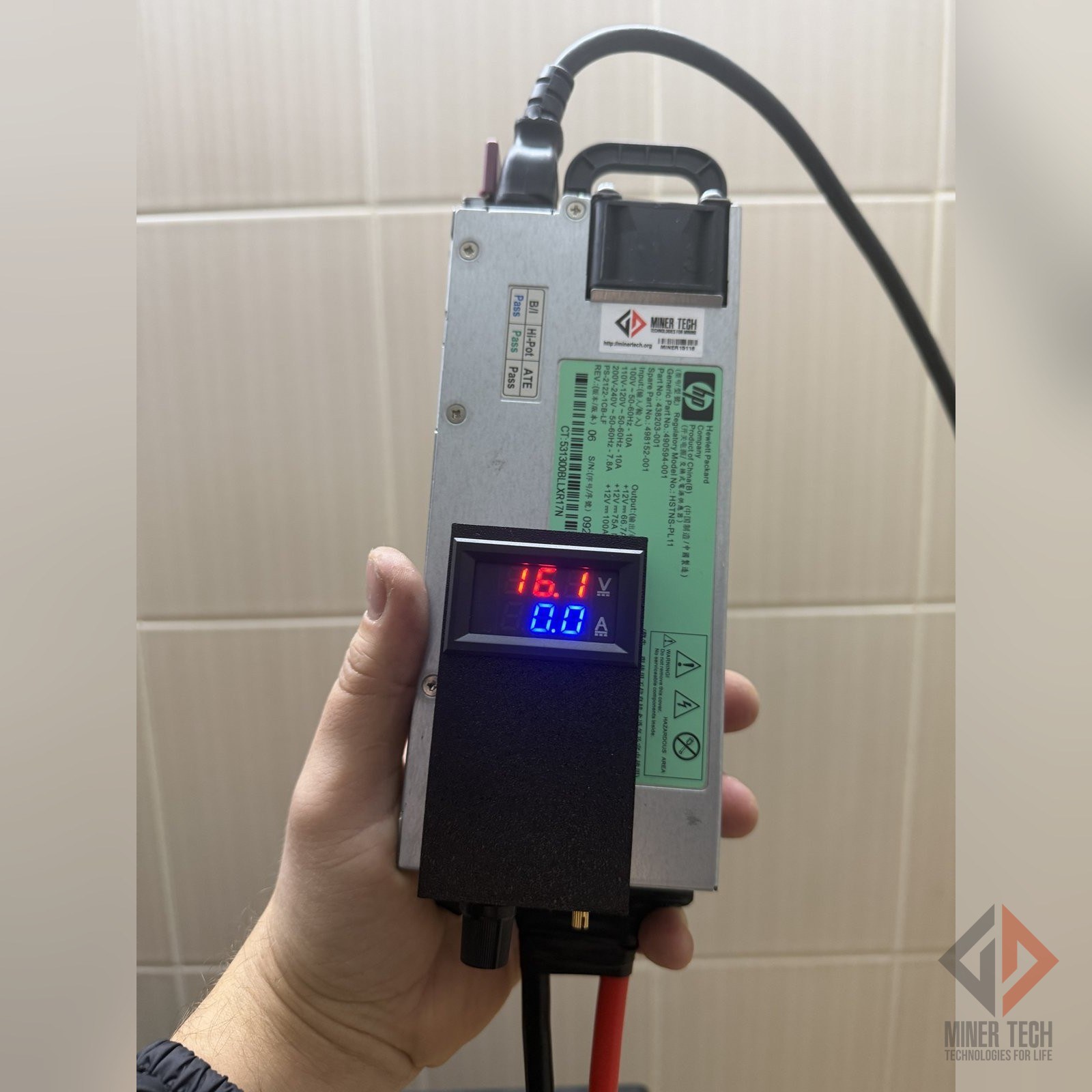
Charger 12 V, 0–100 A — a powerful charger with adjustable output voltage of 3–16 V and current up to 100 A. It lets you quickly charge a 12-volt battery from the grid or a generator, so the battery is ready for the next power outage.
Professional crimping of power cables
We assemble this charger’s power leads ourselves: every lug is crimped on a professional press with a hexagonal die, not with pliers or a hammer. The press compresses the sleeve evenly around its entire circumference, and the copper strands and sleeve are compacted into a single whole: the cross-section shows solid copper with no voids. Under such pressure the metal at the contact points literally “fuses” — this is the cold-welding effect, so the joint is practically monolithic.
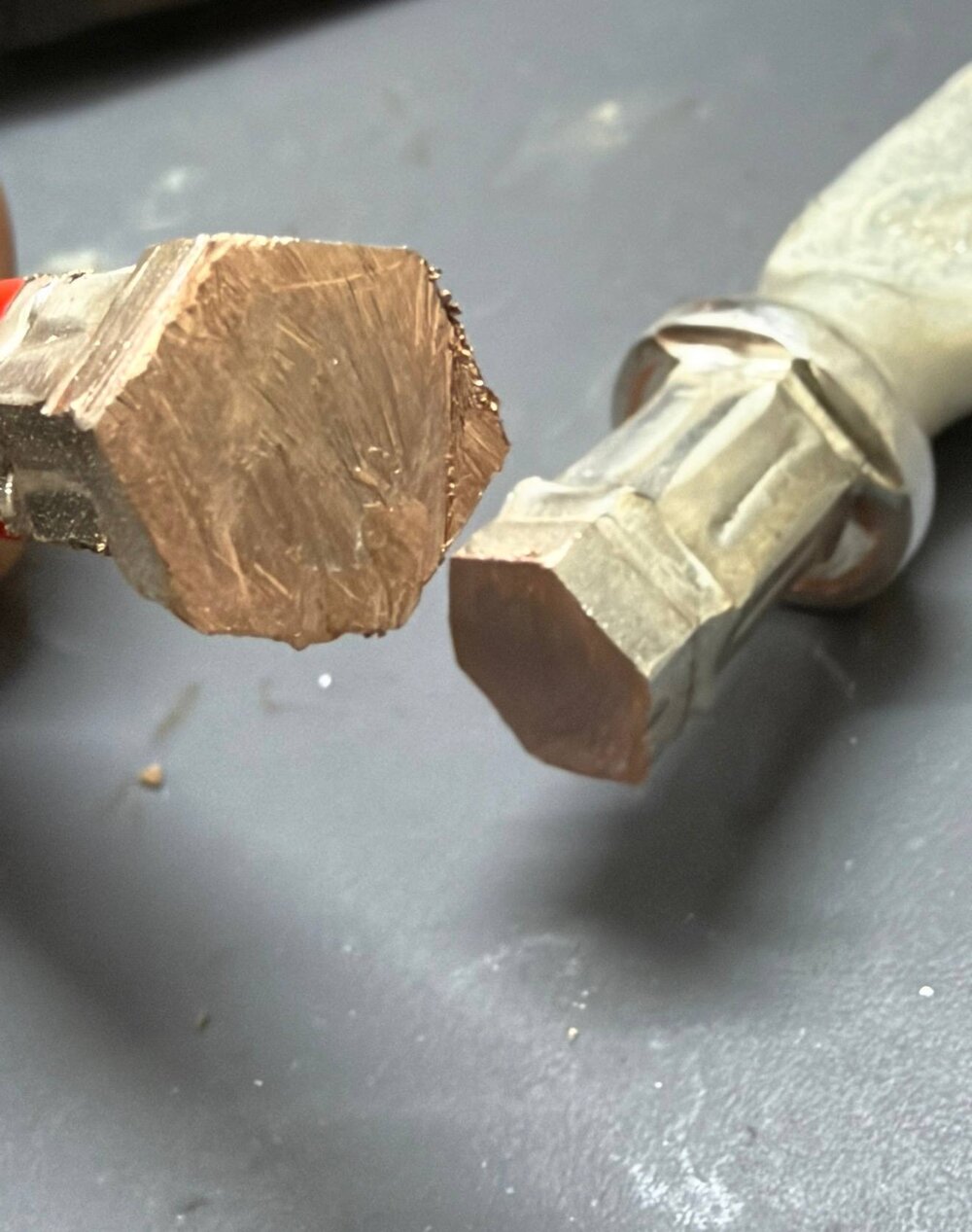 Cross-section of a crimped lug: solid copper with no voids
What this means in practice:
- Minimal contact resistance — the current flows through the whole cross-section of the conductor, not through a few clamped strands.
- The terminals do not heat up — at a charging current of 100 A, every extra milliohm of contact resistance produces 10 W of heat (P = I²·R). Tight crimping keeps resistance to a minimum, so the energy goes into charging the battery, not heating the terminals.
- A durable contact — moisture and air hardly penetrate a tightly crimped joint, so the copper inside practically does not oxidise and the contact does not weaken over time.
- Mechanical strength — the strands are held firmly in the sleeve and do not pull out, even if the cables are often moved from one battery to another.
A poorly crimped lug heats up over time, darkens and can melt the insulation — especially at 100 A. That is why we never cut corners on power connections.
What it is suitable for
- Fast charging of large-capacity 12-volt batteries.
- Charging batteries for off-grid systems, a country house, a boat or a car.
- Recharging after a long outage while the grid is on or the generator is running.
Key advantages
- Current up to 100 A — a large battery can be charged in a few hours rather than a day.
- Voltage adjustment 3–16 V — the device can be set for a specific battery type.
- Current adjustment from 0 A — you can choose a safe current for a smaller-capacity battery.
Technical specifications
| Battery nominal voltage | 12 V |
| Output voltage | 3–16 V, adjustable |
| Output current | 0–100 A, adjustable |
| Grid input voltage | 200–240 V, 50–60 Hz — full current up to 100 A; at 100–127 V — up to 66.7–75 A |
Expert opinion
Before charging, set the voltage and current according to the battery’s datasheet: for LiFePO4 12.8 V this is usually 14.2–14.6 V, and the current must not exceed what the BMS allows. The full 100 A from the 230 V grid draws noticeable power, so when running from a generator, take its reserve capacity into account. We will suggest the right settings for your battery.
Our products come from Europe. High quality, 1-year warranty.
Useful reading
- Cables for the battery and inverter: cross-section and length
- How to charge and store LiFePO4 correctly
See also: cables and chargers.
We will select equipment for your specific task. Advice from a technical specialist: +38 099 054-40-38.